Using two rubber bands, Reef Authority Chief Scientist Dr Roger Beeden explains how resilience plays a part in the Great Barrier Reef's recovery from disturbance.
The Great Barrier Reef Marine Monitoring Program surveys and reports on the health of inshore coral, seagrass and water quality every year, and has done so for over 15 years. Information and results can be found in this document.
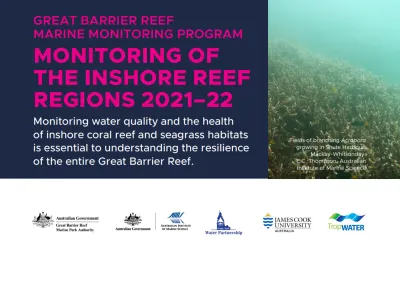
Monitoring water quality and the health of inshore coral reef and seagrass habitats is essential to understanding the resilience of the entire Great Barrier Reef.
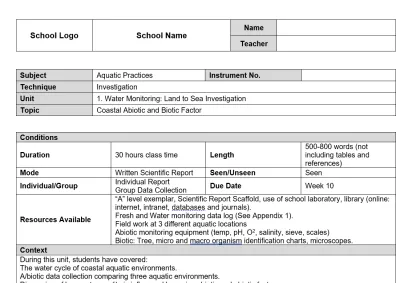
During this unit, students will cover: The water cycle of coastal aquatic environments, A/biotic data collection comparing three aquatic environments, discussion of how water quality is influenced by various biotic and abiotic factors, identification of a/biotic influences on environmental conditions and impacts to the three environments.
Poor water quality from land-based run-off is one of the biggest threats to the health and resilience of the Great Barrier Reef. All actions — big or small — are vital for the Reef’s future. Students can help the Reef recover from the legacy of past actions and be better able to withstand those predicted to threaten its future. This series aims to encourage students to learn about and care for their local environment, in turn contributing to the health of the Great Barrier Reef.
The importance of catchments in the Cairns region are explained in this power point. It can be adapted to be used in other catchment areas along the GBR coast.
Reef Guardian School STEAM activities arranged in an activity booklet. Encourages schools worldwide to engage in one or all eight unique activities for primary and high school students.
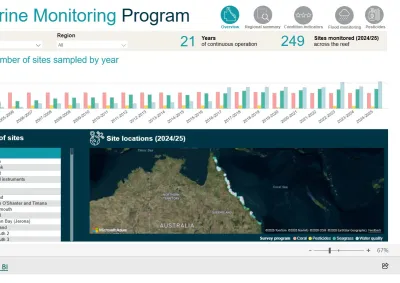
The Great Barrier Reef Marine Monitoring Program (MMP) monitors water quality and the health of inshore coral and seagrass in the Great Barrier Reef Marine Park.
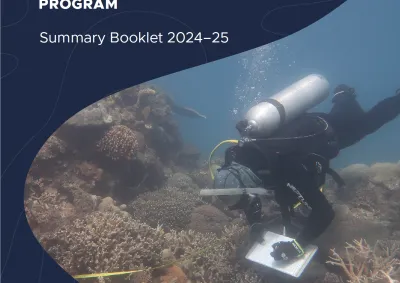
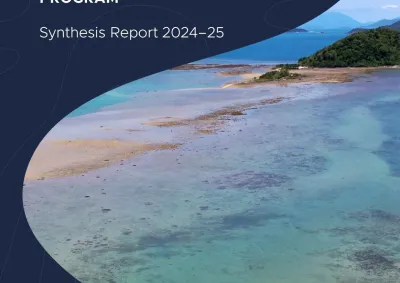
The Great Barrier Reef Marine Monitoring Program Summary Booklet 2024-25 provides the key findings of the 2024-2025 monitoring year including regional overviews of inshore water quality, corals and seagrass condition. It also provides an overview of key environmental pressures to the inshore region and case studies on major flood event sampling that occurred in the 2024-25 monitoring year.
The 2024-25 Synthesis Report provides summary results of the latest Great Barrier Reef Marine Monitoring year. It includes findings and long-term trends with reference to 20 years of data. Excellent resource for Senior (yr 11 and 12) Agricultural, Science in Practice and Marine Biology Subjects.
As part of Tangaroa Blue's month-long cleanup, Earthwatch and the North Queensland Conservation Council are hosting a community clean up event in Townsville on Sunday 18 October 2026.