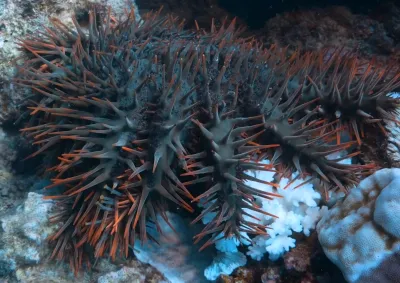
The Marine Park Authority’s Chief Scientist Dr David Wachenfeld gives us a coral bleaching 101 lesson, answering the top questions: What is coral? What is coral bleaching? What causes coral bleaching? Can bleached coral recover?
Everyone can help reduce marine debris, even if you live far away from the coast. Land and ocean are connected through waterways, and every action from changing consumption habits to cleaning up the environment to big scale projects can make a difference to one of the largest environmental issues.
Aims/Outcomes:
• Students develop an understanding of how litter ends up as marine debris
• To challenge students to identify ways to reduce litter at its source in their schools
• To promote student involvement in on the ground projects and actions in their schools
School Annual Action Certificate. Please download and save copy. Please use the text function to add in your school name and year of annual action completion. Thank you for recording your important school actions towards sustainability and a resilient reef.
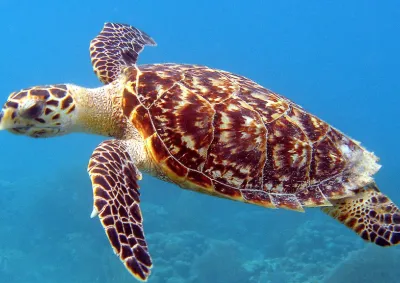
It's a great interview piece from 'Dr Turtle' Mark Read who goes into a green turtle 'deep dive'. This is a Reef in Focus podcast and great educative piece.
Coastal development is one of the biggest threats to the health and resilience of the Great Barrier Reef. All actions — big or small — are vital for the Reef’s future. Students can help the Reef recover from the legacy of past actions and be better able to withstand those predicted to threaten its future. This series aims to encourage students to learn about and care for their local environment, in turn contributing to the health of the Great Barrier Reef.
Here is what some of our Reef Guardian Stewards at Grow Aitutaki have been achieving in the Cook Islands. This exciting, emerging organisation shares its visually beautiful and informative yearly report.
This beautifully illustrated book, by Isabella Graham, explores the real science of sharks and the challenges sharks face from living alongside humans.
Remote Reach of Rubbish!
Watch this fantastic, short video that Tangaroa Blue have put out about an impactful marine debris project on the Cocos Keeling Islands as they attempt to turn the tide on the ocean plastic affecting their coastline.
An eye-opening insight to build understanding of how all the oceans and countries are connected and the impact people’s actions have on distant ecosystems.