1. Class features - Using the information from page 1, find examples of reef animals for each of the Classes to
complete the table below. Include the Genus and species name for each animal if you can. In
the last column, record the features of the animal that group it in this Class.
2. What’s in a name?
a. Explain how we can tell they are different species if they have the same species name?
b. Investigate what the word “lineatus” means. Record your findings below.
c. Explain why both fish have the same species name of lineatus?
1. List the five (5) main classes (groups) of animals in this phylum.
2. Identify the key characteristics of animals in this phylum.
3. Describe papulae and explain what they are used for.
4. Describe a madreporite and explain what it is used for.
1. List some of the animals that belong in this phylum.
2. Identify the key characteristics of animals in this phylum.
3. Describe what a radula is and where it is found.
1. What makes them different? SeaStar, sea cucumbers and sea urchins are all grouped together because they have characteristics in common, even though each animal looks very different to the others.
2. List three characteristics that they all have in common.
3. Dichotomous keys are used by scientists to correctly identify species. Use the key below to identify the three types of echinoderms in the pictures below.
1. Select which group of worms the name Platyhelminthes refers to.
2. Connect the following words to their meaning.
3. Identify the key characteristics of animals in this phylum.
1. Complete the table below using the information on Page 2 to help you.
2. This table lists the common features or characteristics that are used to group
animals into different Phyla. Use this information to help you to complete the
table.
Are reef animals born live or do they hatch from eggs? Do they look like their parents? Do their parents look after them? Students can use this worksheet to record the similarities and differences of six reef animals presented during the "Growing up on the Reef" Virtual Learning Experience.
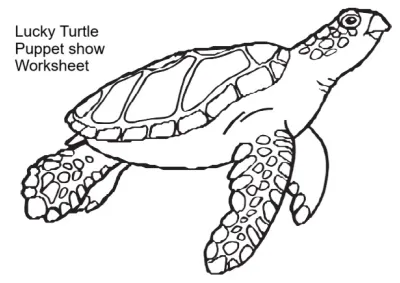
After watching the Lucky Turtle Puppet Show students can test their listening skill to show what Lucky Turtle eats, and which animals warned Lucky about specific threats.
Snapshots of ongoing, collaborative projects where the young people of Aitutaki, Cook Islands, contribute to projects alongside experienced conservationists.
Here is what some of our Reef Guardian Stewards at Grow Aitutaki have been achieving in the Cook Islands. This exciting, emerging organisation shares its visually beautiful and informative yearly report.