Resources
School level
Type
Topic
- Citizen Science (29)
- Eco challenges (4)
- Endangered species (28)
- Extreme weather (16)
- Indigenous Sea Country (34)
- Marine debris (15)
- Reef connectivity and biodiversity (96)
- Reef Management (44)
- Reef Posters (27)
- Reef Threats (36)
- STEM Units (33)
- Sustainability (25)
- Virtual Learning Experiences (12)
- Water quality (16)
- World heritage (57)
Date
- September 2025 (3)
- September 2016 (5)
- October 2025 (6)
- October 2023 (1)
- November 2025 (1)
- November 2021 (6)
- November 2013 (1)
- March 2020 (1)
- March 2015 (1)
- June 2025 (42)
- January 2016 (1)
- January 2013 (1)
- January 2012 (1)
- January 2011 (1)
- January 2010 (1)
- January 2009 (1)
- January 2008 (1)
- January 2007 (1)
- December 2025 (1)
- December 2021 (1)
- August 2025 (4)
- August 2019 (1)
- April 2020 (1)
Search results
213 result(s) found, displaying 191 to 200
Reef Beat poster units
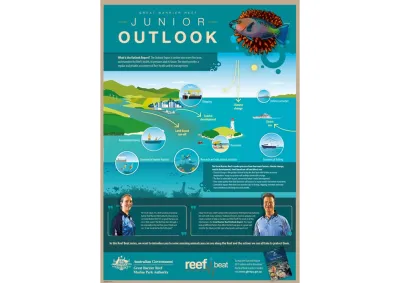
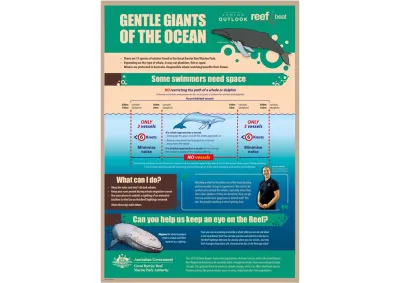
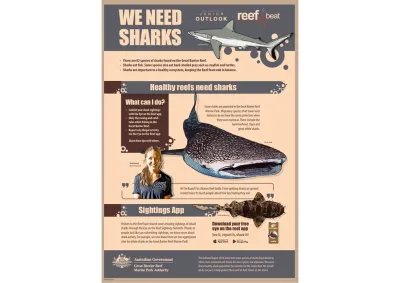
A series of resources that include a set of posters and an activity book that link to stewardship actions on the Great Barrier Reef.
Reef Beat poster units
A series of resources that include a set of posters and an activity book that link to inshore biodiversity on the Great Barrier Reef.
Reef Beat poster units
A series of resources that include a poster and an activity book that link to the amazing Great Barrier Reef and its importance as a national and global icon.
Reef Beat poster units
A series of resources that include videos and an activity book that link to threats to the Great Barrier Reef.
Units of work
In this unit, students will explore one or more habitats within their local environment. They will identify external features of different plants and animals and how their needs are met in the habitats they live in. Students will identify and describe changes to local habitats as a result of human activity and suggest how science helps people care for their local habitats.
Units of work
In this unit, students will investigate living and non-living things (including things on the Great Barrier Reef). They will observe and group things as living or non-living based on observable features. They will explore the characteristics of living things. Students will identify natural and human threats to living things on the Reef and recognise how science can help people understand threats to the Reef such as oil spills and the effect of human actions.
Units of work
In this unit, students will investigate marine turtles and their life cycles. They will explore the relationship between the survival needs of marine turtles and the habitats they live in, including interactions with other living things. By considering changes to the habitats, such as coastal development and climate change, students will predict the effect of these changes on marine turtles, including the impact on the survival of the species. Students will recognise how science knowledge helps people understand the effect of their actions.
Units of work
In this unit, students will investigate structural and behavioural adaptations of animals and plants. They will understand how these adaptations help animals and plants survive in the environments they live in. Students will recognise how science knowledge, such as knowing how adaptations in living things help them survive in their environments, can be used to inform personal and community decisions.
Units of work
In this unit, students will investigate fish species and their survival needs. They will explore the habitats in which they live and identify how changes to the physical conditions of the habitat e.g. by pollution, can affect the growth and survival of fish. Students will identify fishing rules and investigate sustainable fishing practices. Students will use their knowledge about fish growth and survival to inform decisions about fishing and sustainable fishing practices.
Units of work
In this unit, students will investigate different wetland types. They will describe how wetlands are part of the water cycle. Students will identify different animals that live in wetlands and group and classify them. Students will recognise and understand the interactions between living things in food chains and food webs in a wetland, and how human activity can affect these interactions. Students will understand and investigate water health of a wetland and consider threats to wetland health and how to manage it.